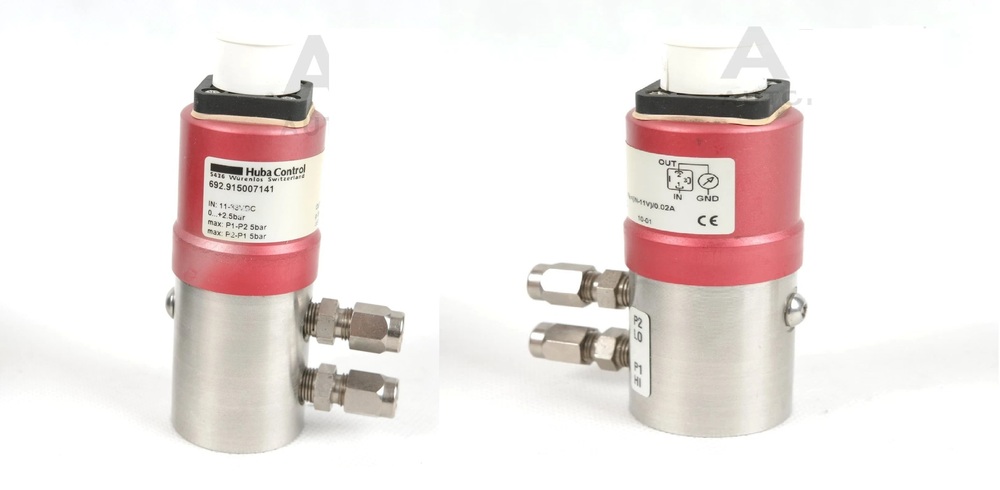
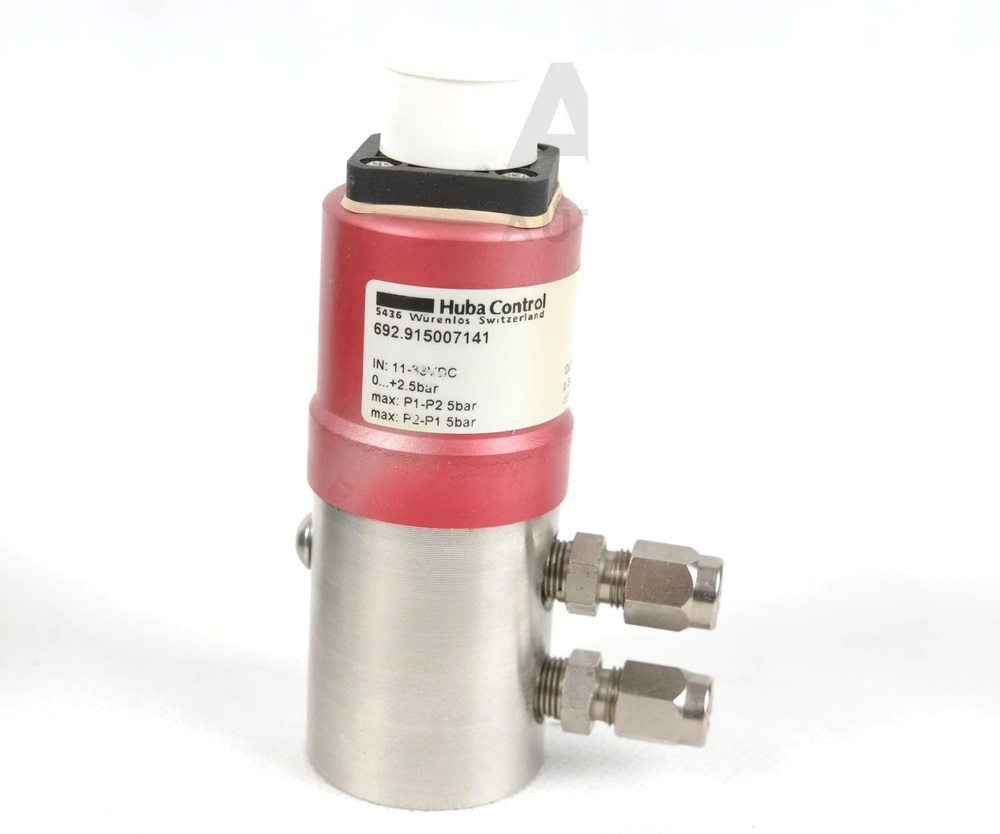
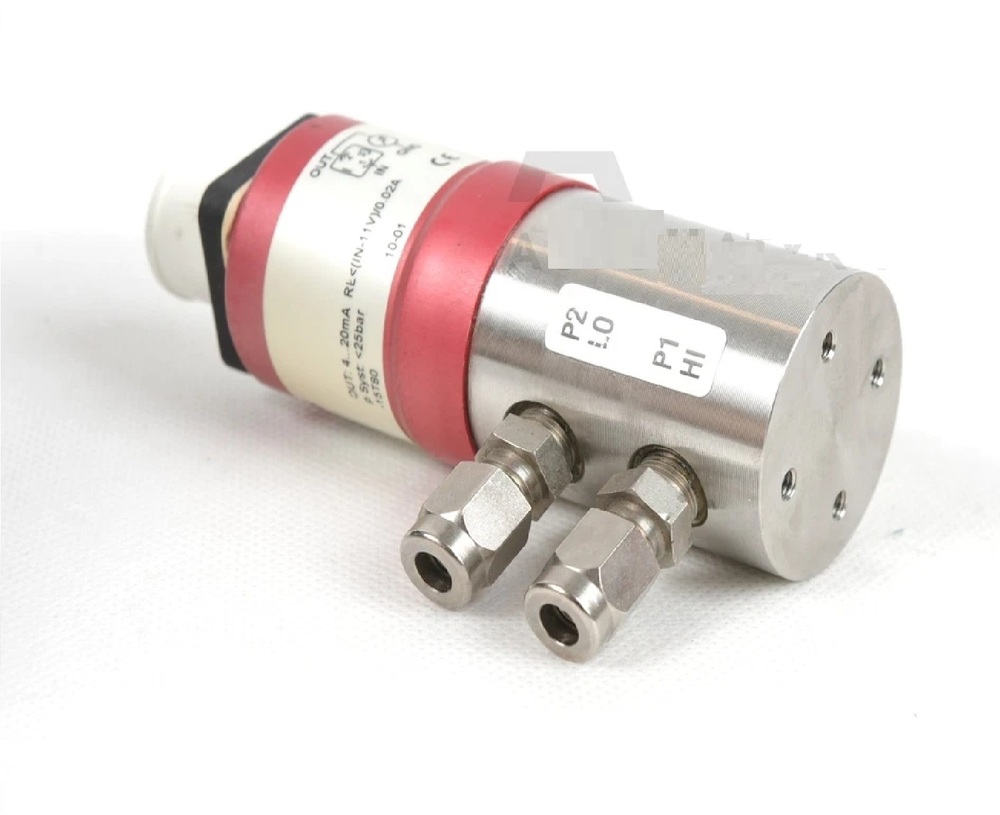
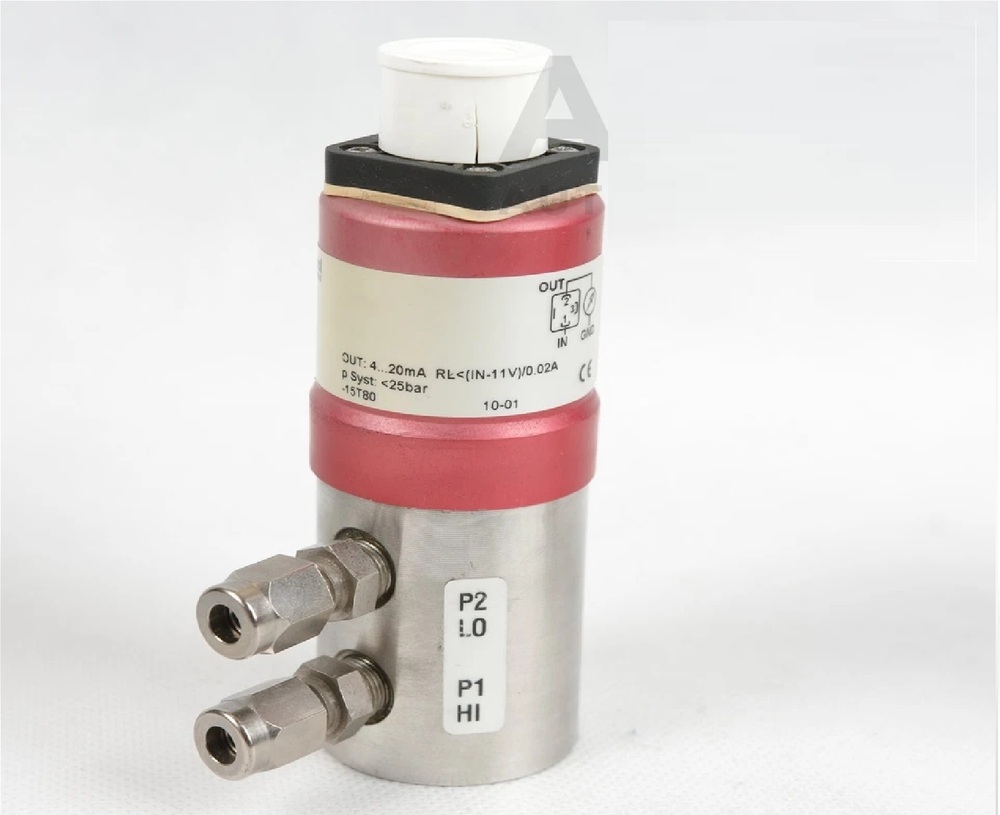
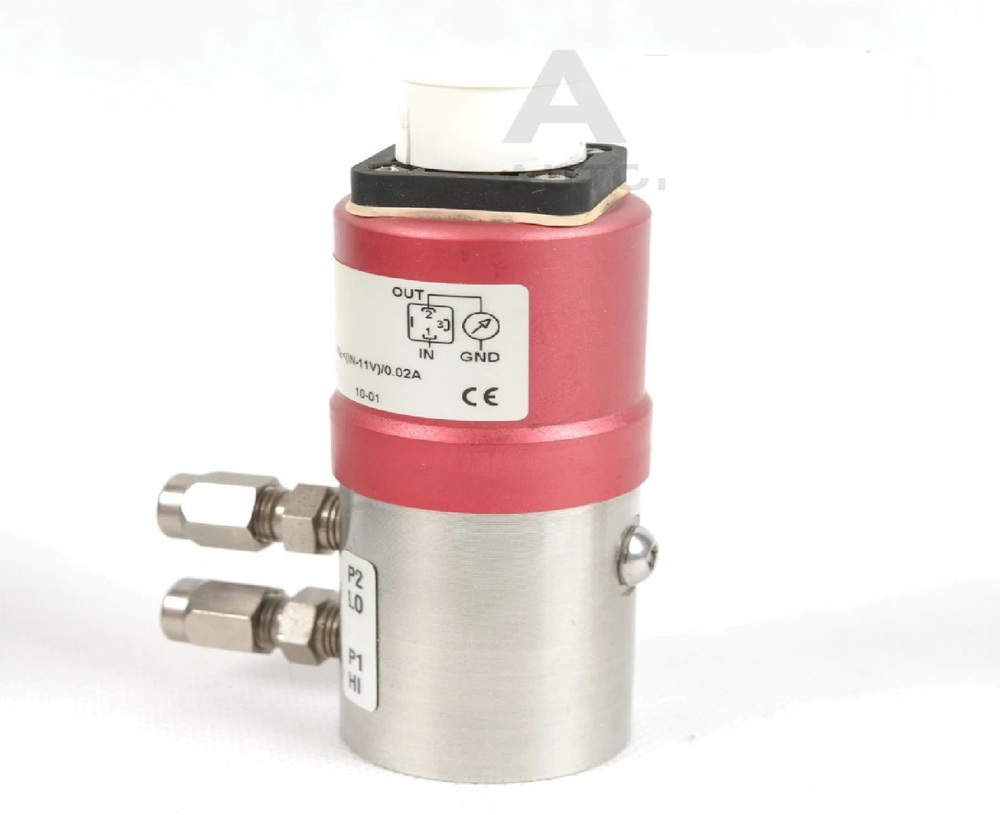
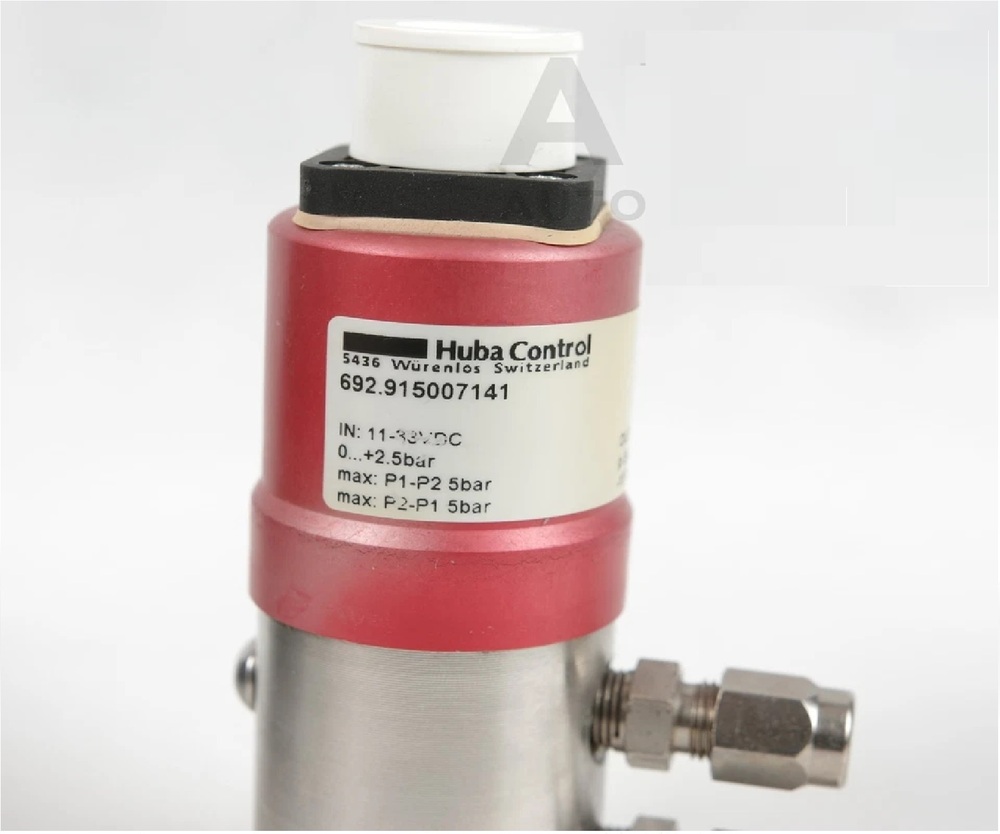
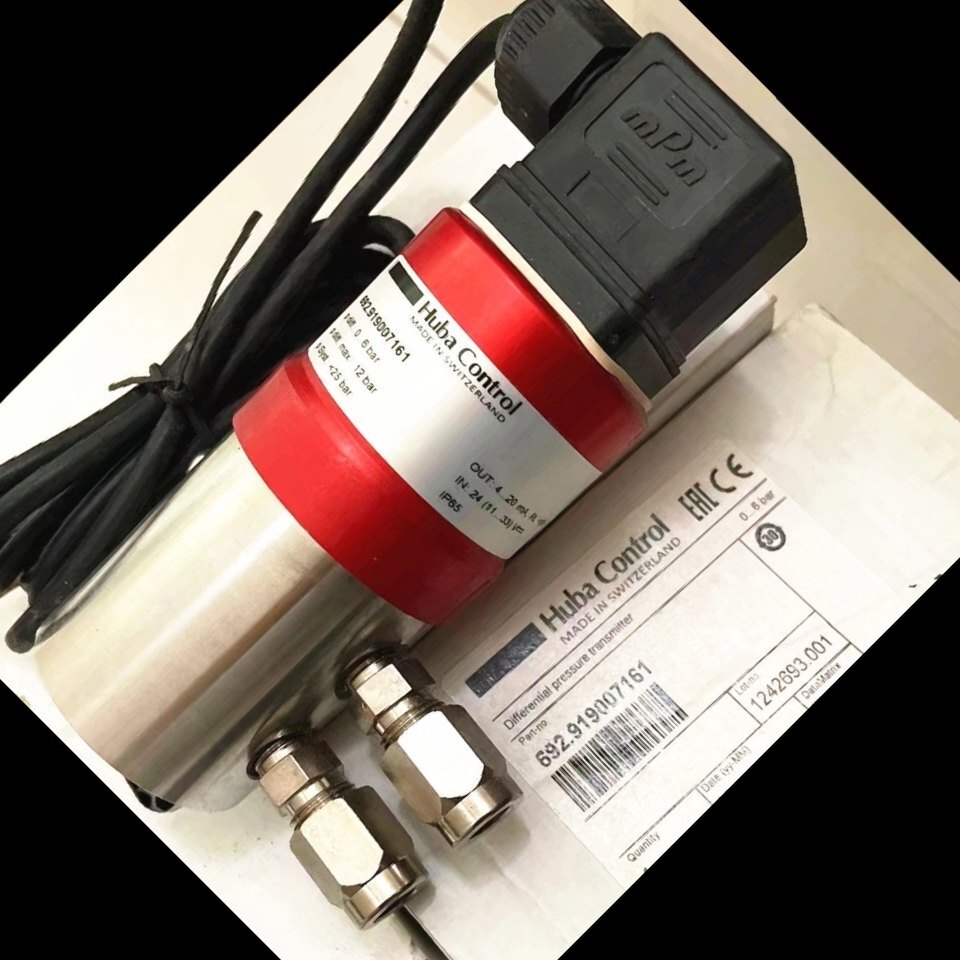
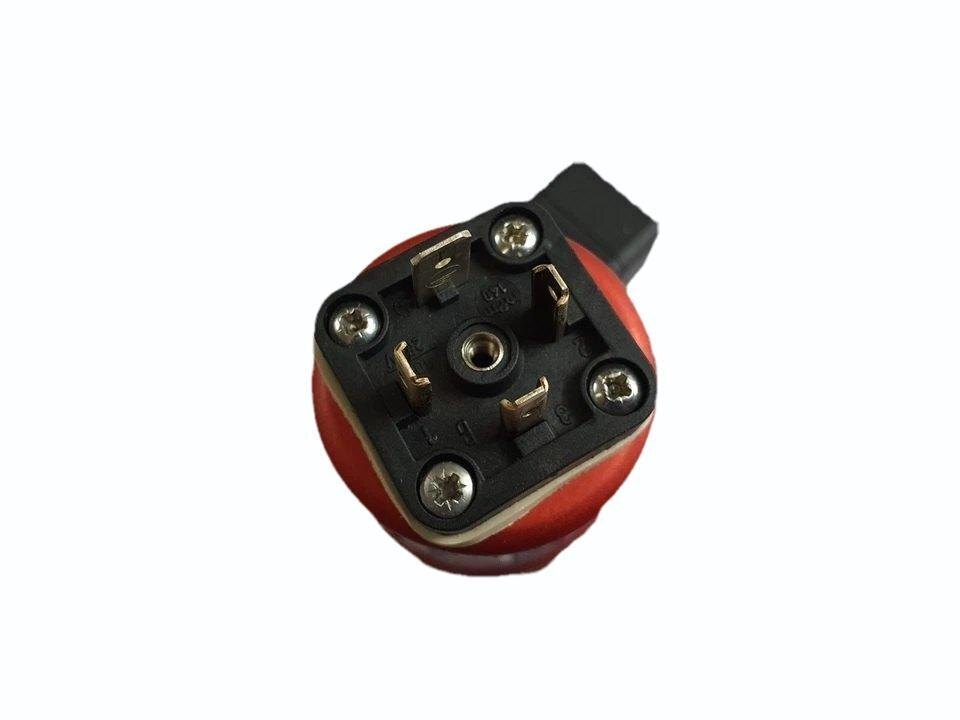
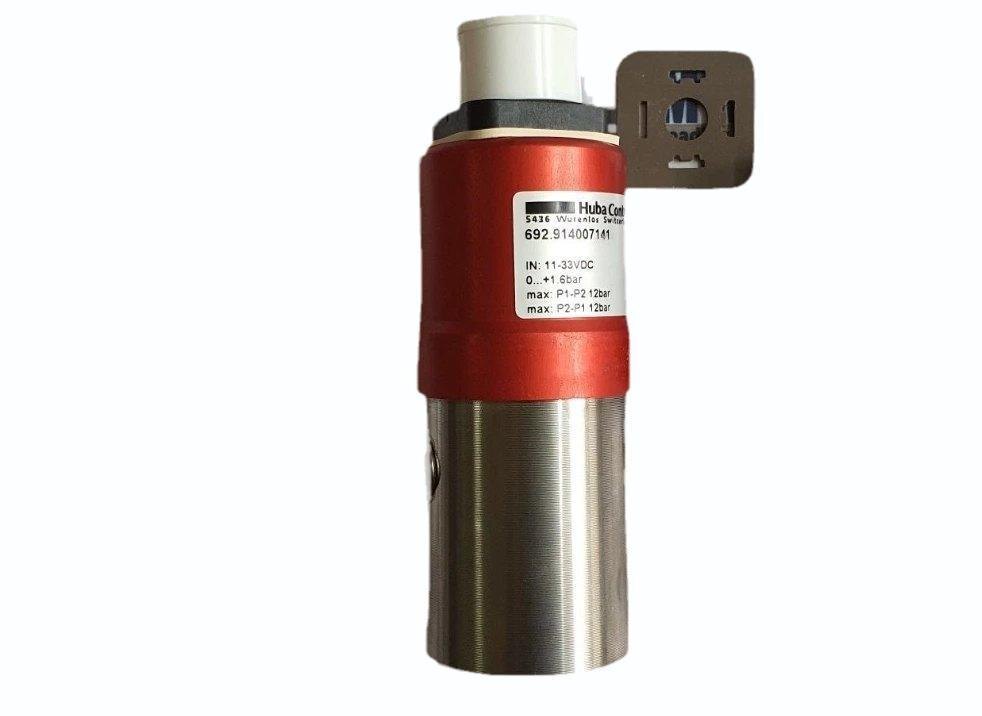
FAQ's of Huba Control Differential Pressure Transmitter 692.915007141:
Q: How do I install the Huba Control Differential Pressure Transmitter 692.915007141?
A: Installation involves securing the transmitter using its 6 mm threaded connection. Ensure it is mounted according to process line orientation, and connect the appropriate electrical wiring for the selected output signal. Always refer to the installation guide for detailed steps and safety precautions.
Q: What are the main applications of this differential pressure transmitter?
A: This device is primarily used in the monitoring and control of process mediums like gases in industrial environments. Common applications include process automation, HVAC systems, and gas delivery systems where precise pressure measurement is critical.
Q: When should I consider using this particular model over others?
A: This model is ideal when you require a wide operating voltage range (11-33 VDC), robust construction materials (stainless steel, PVDF), and multiple output options (0-5 V, 0-10 V, 4-20 mA). Choose it for versatility across manufacturing, exporting, supply, or integration projects.
Q: Where can I purchase authentic Huba Control Differential Pressure Transmitters in India?
A: You can source these transmitters through authorized distributors, exporters, importers, manufacturers, and suppliers across India. Always request certificate of authenticity when purchasing to ensure genuine products.
Q: What benefits does the 1-year warranty provide?
A: The 1-year warranty covers manufacturing defects and ensures reliable product support. If performance issues arise within this period, you can request repair, replacement, or technical assistance from the supplier.
Q: How does the output signal selection enhance process integration?
A: With options for 0-5 V, 0-10 V, and 4-20 mA output signals, this transmitter offers flexibility to interface with a variety of control and monitoring systems. This promotes smoother integration into existing process infrastructure.
Q: What maintenance is recommended for optimal performance?
A: Routine inspection of electrical connections, cleaning of sensor interfaces, and checking for any signs of wear helps maintain accurate measurements. Follow the manufacturer's guidelines for scheduled maintenance and recalibration intervals.