About Dwyer EDPS-08-1-N Adjustable Differential Pressure Switch
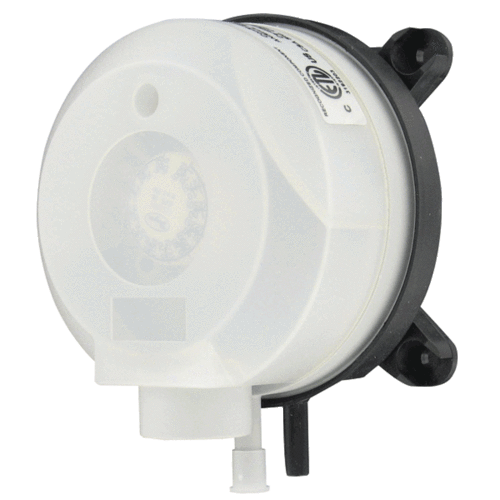
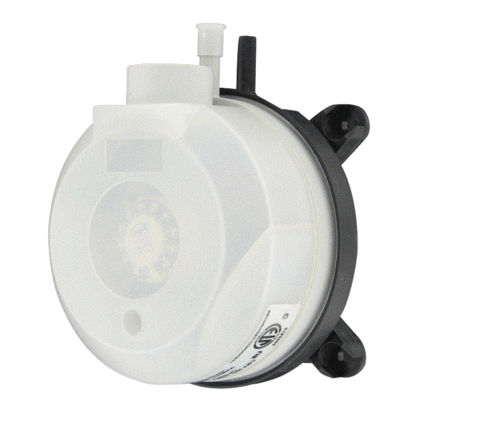
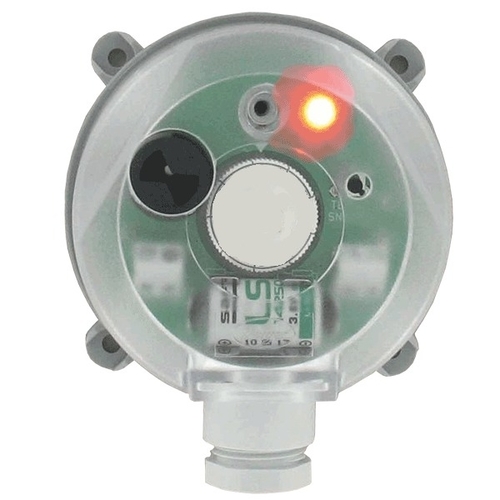
Dwyer EDPS-08-1-N Adjustable Differential Pressure Switch
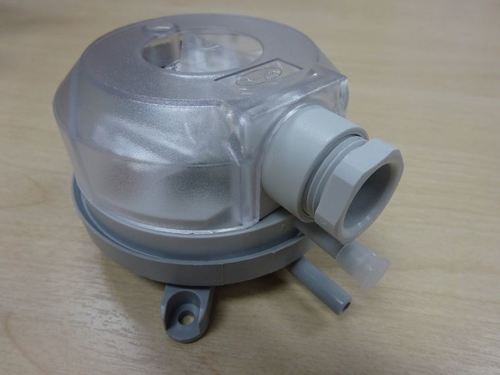
Adjustable differential pressure switch, range .08-1.20" w.c., with M20 connection.
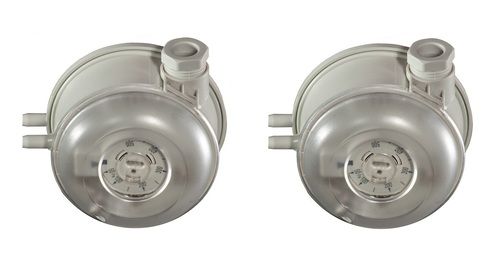
The Series EDPS Adjustable Differential Pressure Switch is designed for pressure, vacuum, and differential pressures. The dual scaled adjustment knob in inches water column and pascals allows changes to the switching pressure to be made without a pressure gage. The EDPS is available with settings from 0.08" w.c. (20 Pa) up to 16" w.c. (4000 Pa). The silicone diaphragm and PA 6.6 body make the series EDPS ideal for use with air and other noncombustible gases. The compact size, adjustment knob and meeting the UL508 standard make the EDPS the perfect choice for H.V.A.C. applications.
Product Applications
- Monitoring air filters and ventilators.
- Monitoring industrial cooling-air circuits.
- Overheating protection for fan heaters.
- Monitoring flows in ventilation ducts.
- Controlling air and fire-protection dampers.
- Frost protection for heat exchanges
Precise Differential Pressure MonitoringThe Dwyer EDPS-08-1-N ensures accurate control of air and compatible gases by offering an adjustable pressure scale from 20 to 200 Pa. Its repeatability of 5% of the set point and clear hysteresis average facilitate stable operation, making it a valuable asset in demanding industrial environments.
Robust Construction for Demanding EnvironmentsFeaturing a durable ABS plastic housing and IP54 enclosure protection, this pressure switch resists dust and splashing water. Its temperature resilience from -20 to 85C guarantees reliable performance in a variety of industrial settings, including HVAC systems and filtration units.
Easy Installation and Versatile MountingDesigned for flexibility, the device supports both surface and duct mounting, and comes complete with two plastic duct connectors, mounting screws, and pressure tubing. The 1/8 NPT female thread and vertical diaphragm orientation make installation straightforward and secure.
FAQs of Dwyer EDPS-08-1-N Adjustable Differential Pressure Switch:
Q: How do I install the Dwyer EDPS-08-1-N differential pressure switch?
A: The switch can be mounted either on a surface or directly onto a duct using the included mounting screws and two plastic duct connectors. Ensure the diaphragm remains in a vertical position for optimal accuracy. All necessary pressure tubes and accessories are provided in the package for quick setup.
Q: What media can be measured with this pressure switch?
A: The EDPS-08-1-N is designed to measure the differential pressure of dry, clean air or any non-corrosive gases. It is not suitable for liquids or corrosive gases, as this could damage the silicone seal and ABS housing.
Q: When should I consider using this pressure switch in my system?
A: Use this switch when you require precise monitoring and control of differential pressure in HVAC, filtration, or industrial air systems. It is ideal for protecting filters, monitoring fan status, or triggering alarms based on set pressure levels.
Q: Where is the best place to mount the EDPS-08-1-N for optimal performance?
A: For the most accurate results, mount the pressure switch with its diaphragm in a vertical position, as specified. Surface or duct mounting are both acceptable, but ensure it is installed in an accessible, vibration-free area for maintenance and calibration.
Q: What is the process for adjusting the set point on this switch?
A: Adjustment is straightforwardsimply use the set point mechanism on the housing to select your desired pressure within the 20 to 200 Pa range. Refer to the products scale and adjust carefully to ensure the correct triggering point for your specific application.
Q: How does using this pressure switch benefit my industrial operation?
A: By reliably monitoring air or compatible gas pressures, the switch helps prevent equipment damage, optimizes system efficiency, and ensures regulatory compliance. Its repeatable accuracy and industrial-grade construction make it a dependable choice for safety and process control.






 Send Inquiry


 Send Inquiry


