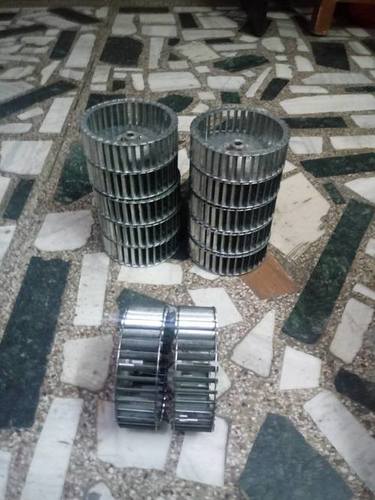
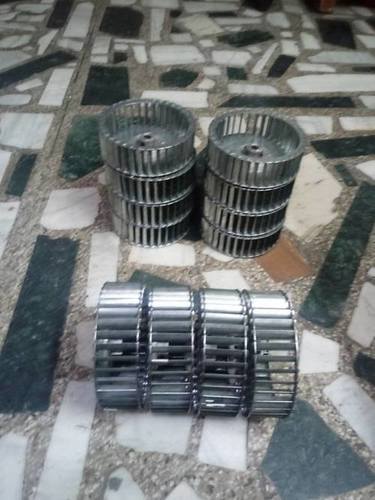
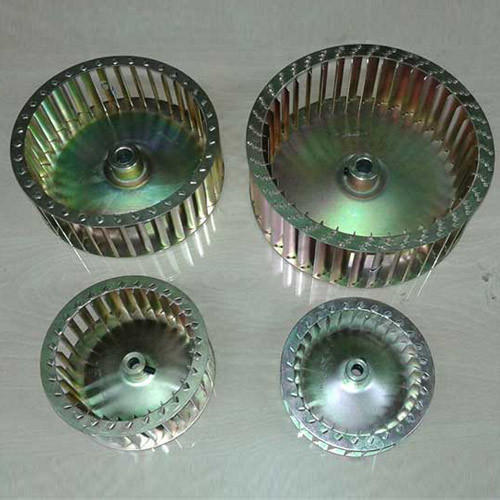
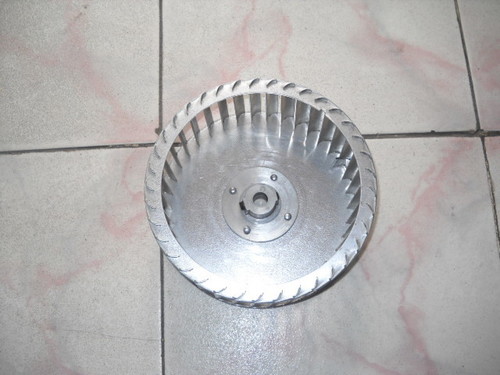
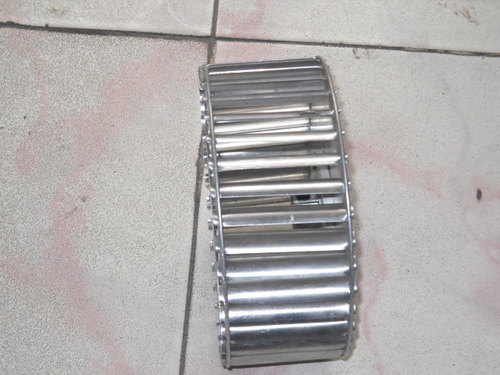
About SISW Centrifugal Blower 230 MM X 125 MM
SISW Centrifugal Blower 230 MM X 125 MM
SISW CENTRIFUGAL BLOWER
| SL.NO |
CATALOGUE NO |
MILLIMETERS |
INCHES |
BORE SIZE |
MATERIAL |
| |
|
OD X HT X ID |
OD X HT |
MM & INCHES |
|
| 18 |
ETIP 9 50 |
230 X 125 X 190 |
9 X 5 |
12.70 MM ( 1/2'' ) & 15 MM |
AL. / GI. |
ALL BLOWERS ARE STATICALLY & DYNAMICALL BALANCED.
- THE ABOVE MENTIONED PRICES ARE FIXED - NON NEGOTIABLE - BY REQUEST.
- Please describe the bore size , shaft size of Blower accurately in MM or INCHES.
- As per the requirements of blowers, Bore Sizes available are : - Millimeters MM : - 6, 8, 11, 14, 15, 16, 19, 20, 24, 25, 30, 40, 50, 75 & 90 INCHES: - 5/16, 1/2, 5/8, 3/4, 1, 1.5, 2, 3.0, & 3.5
- TERMS AND CONDITIONS APPLY.
- FEEL FREE TO CONTACT US FOR YOUR SPECIAL REQUIREMENTS.
Robust Construction for Demanding EnvironmentsCrafted from powder-coated mild steel, the SISW Centrifugal Blower is built to withstand harsh industrial and commercial conditions. Its sealed ball bearings, IP54/IP55 protection, and stable base-mounted design ensure prolonged operational life and reliability in continuous-duty applications.
Versatile and Efficient Air MovementWith an airflow capacity between 1850 and 2200 m3/hr and efficiency up to 80%, this blower is ideal for ventilation, exhaust, and air handling units in HVAC and clean room facilities. The backward-curved or radial impeller provides performance suitable for various process requirements, ensuring consistent and energy-efficient operation.
FAQ's of SISW Centrifugal Blower 230 MM X 125 MM:
Q: How is the SISW Centrifugal Blower typically used in industrial and commercial applications?
A: This blower is widely used for ventilation, air handling units, industrial exhaust, HVAC systems, and clean room environments, providing efficient air movement and circulation to maintain optimal indoor air quality and control temperatures.
Q: What are the key benefits of choosing a backward-curved or radial blade impeller for this blower?
A: Backward-curved and radial blades deliver superior air performance and high efficiency, minimizing energy consumption while providing steady airflow. They also reduce the risk of material buildup, making maintenance simpler and improving reliability.
Q: When is it recommended to use direct drive versus belt drive in this blower model?
A: Direct drive is ideal for lower maintenance and higher efficiency when precise speed isn't required. Belt drive is preferred when flexibility in speed adjustment is needed or when isolating the motor from blower vibrations is necessary, depending on process requirements.
Q: Where can this blower be installed, considering its mounting and protection features?
A: With a base-mounted design and IP54/IP55 protection class, the blower can be securely installed in a range of industrial and commercial locations, including mechanical rooms, plant floors, clean rooms, and large ventilation shafts.
Q: What is the process for maintenance and servicing of the blower?
A: Maintenance typically involves routine inspection and replacement of sealed ball bearings, checking belt tension (in belt-driven models), and periodic cleaning of the impeller and housing. Its design prioritizes accessibility and ease of service.
Q: How does the blower ensure low noise operation in sensitive environments?
A: Designed to function within industry-standard low noise levels, this blower incorporates precision-balanced impellers and a robust housing that dampens vibration, making it suitable for noise-sensitive industrial and commercial settings.