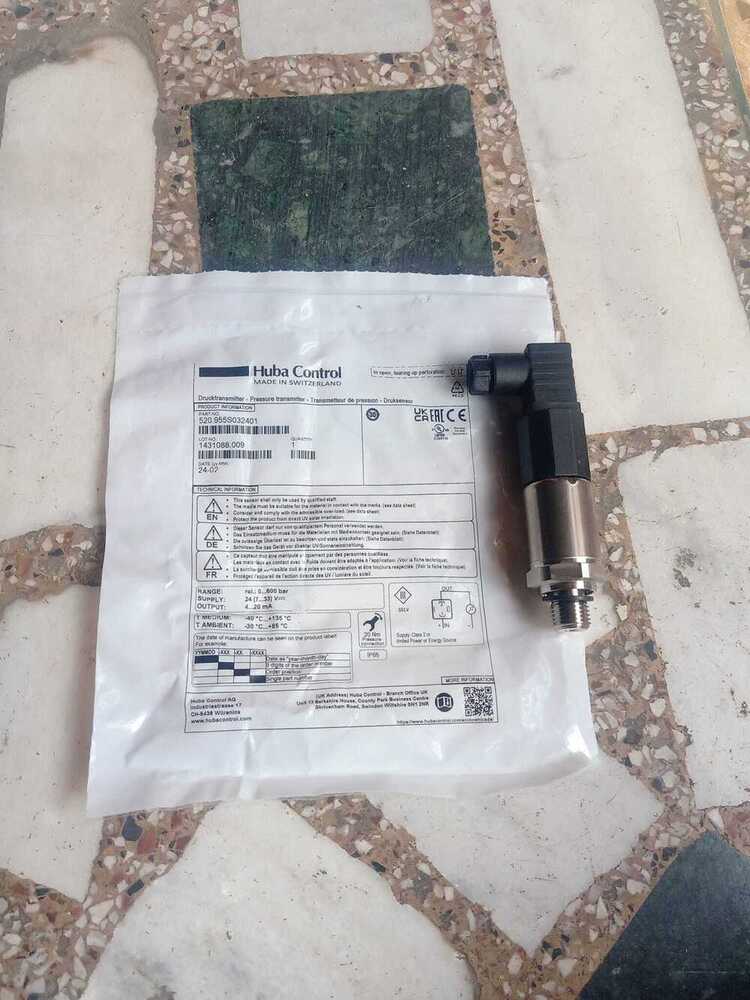
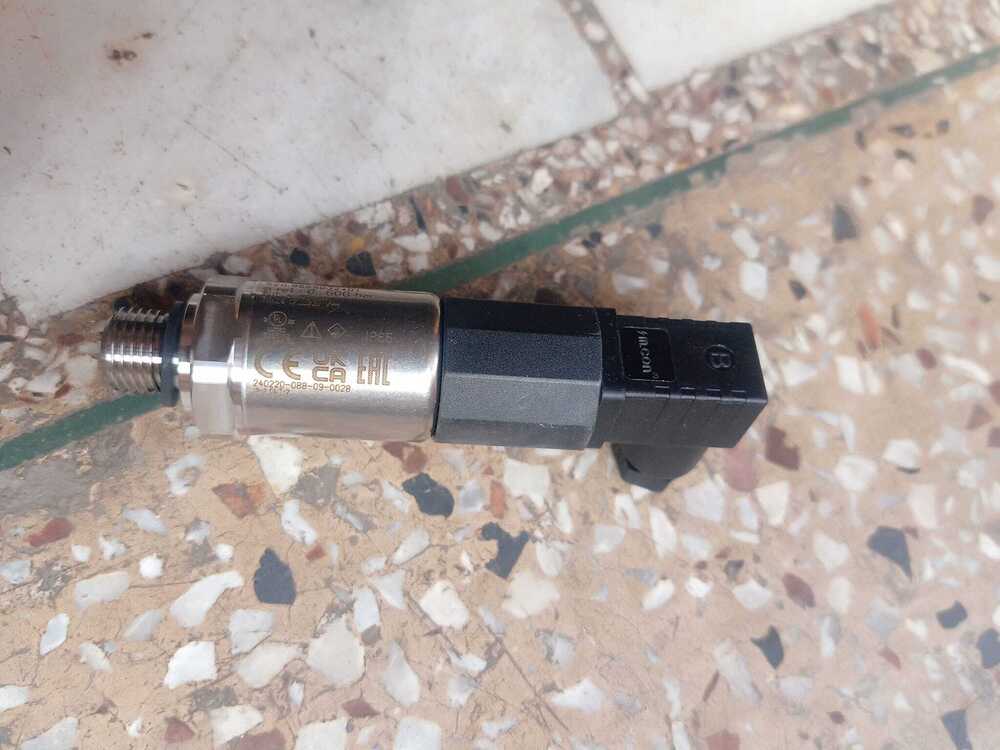
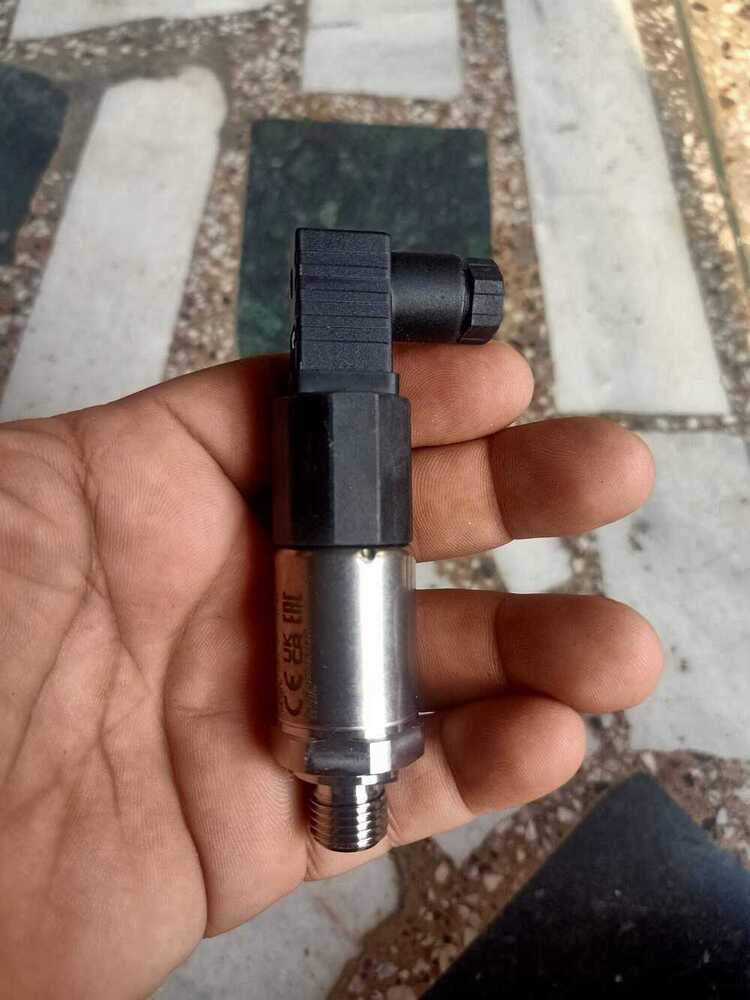
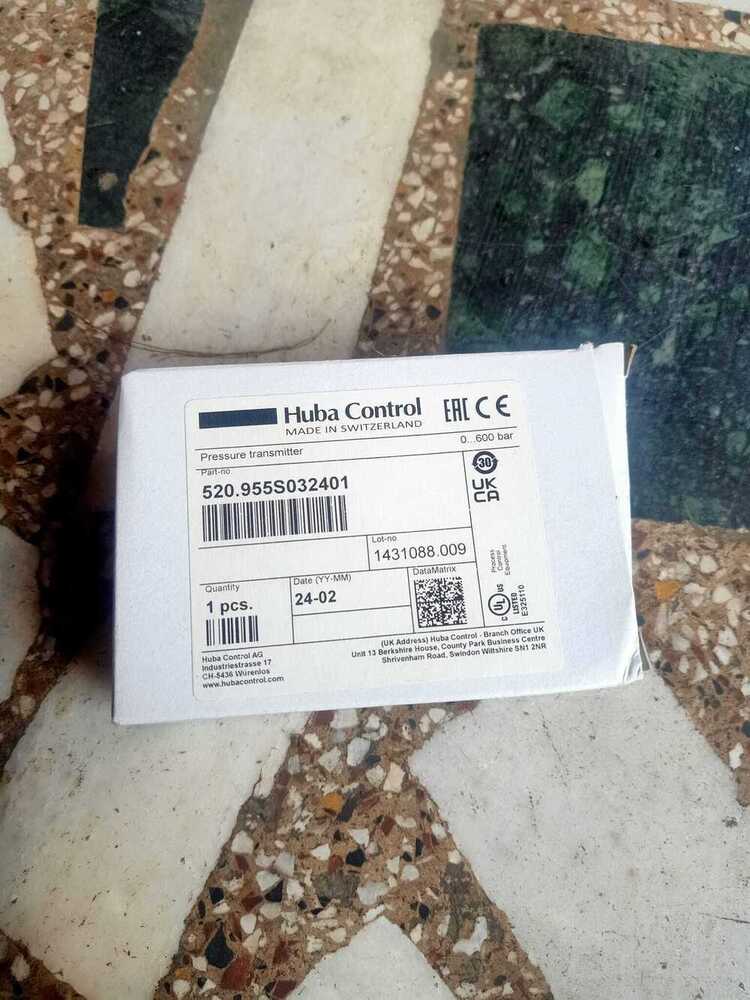
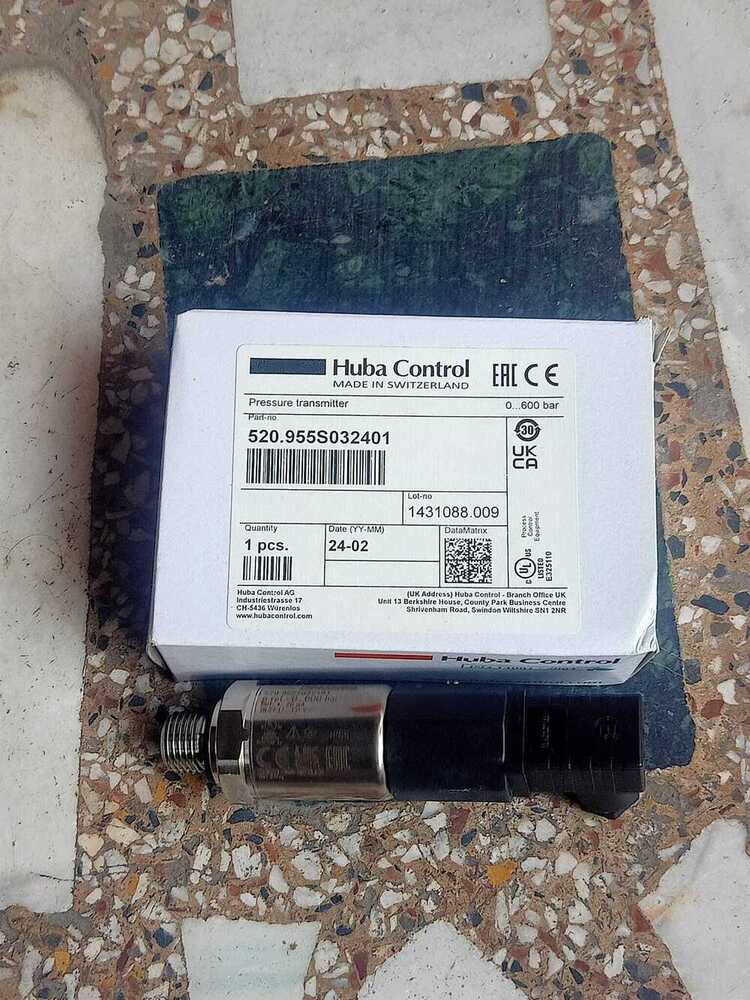
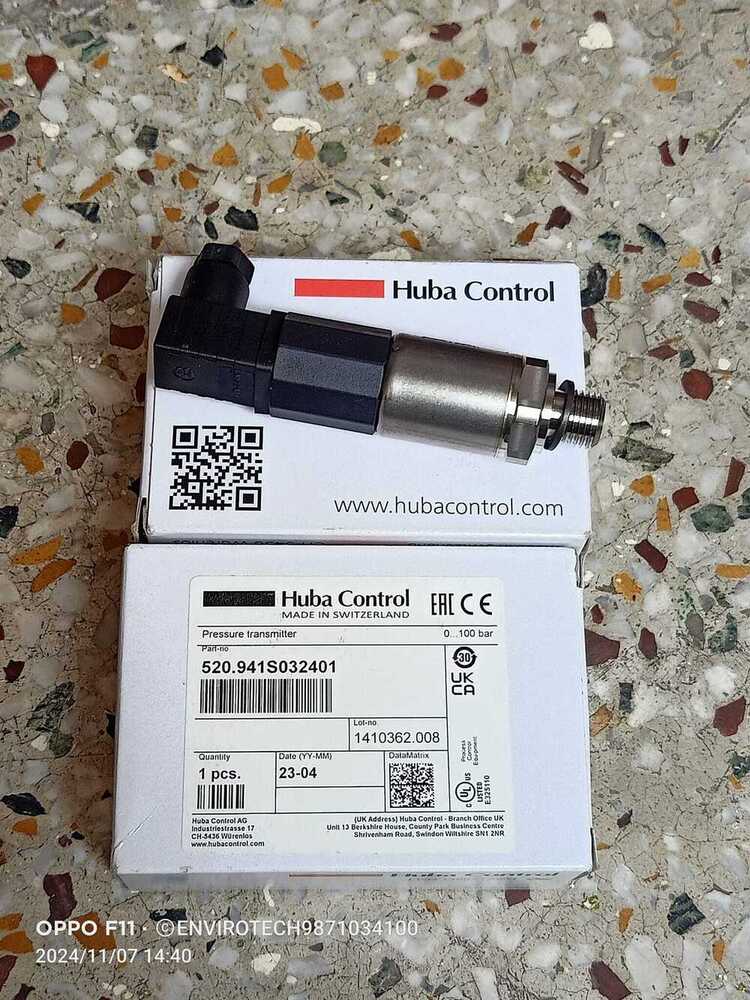
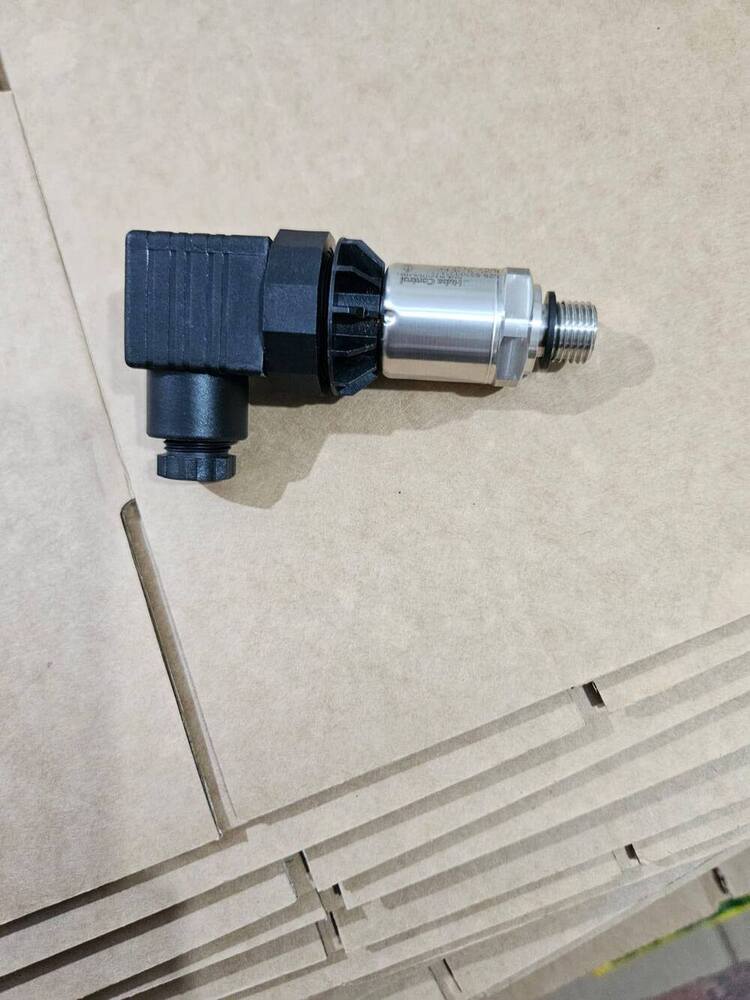
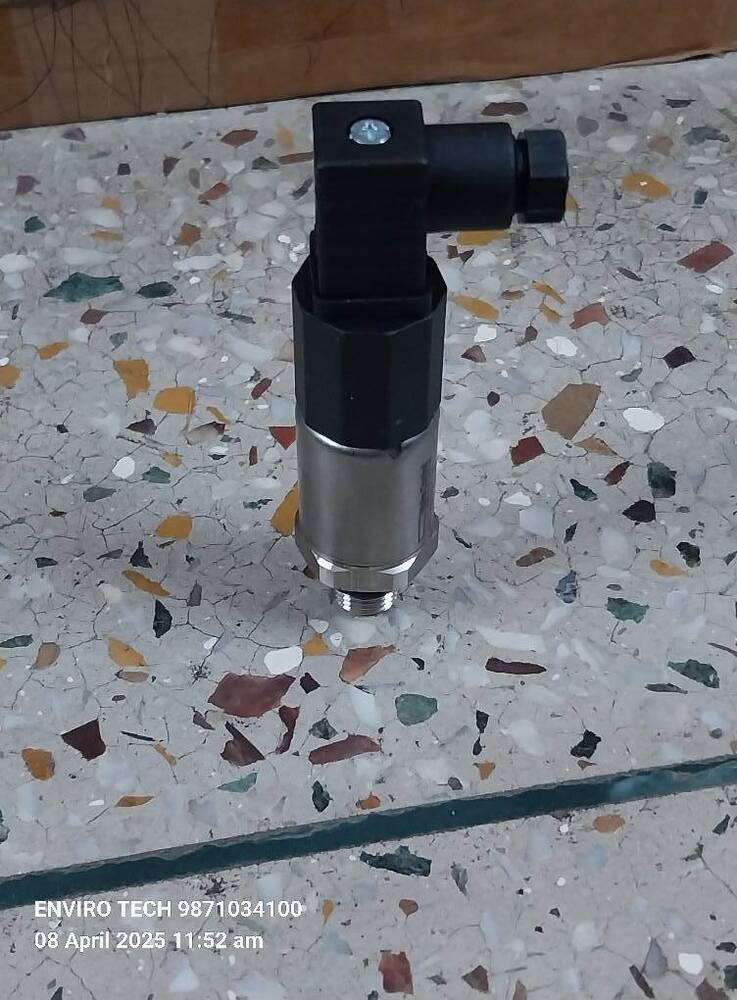
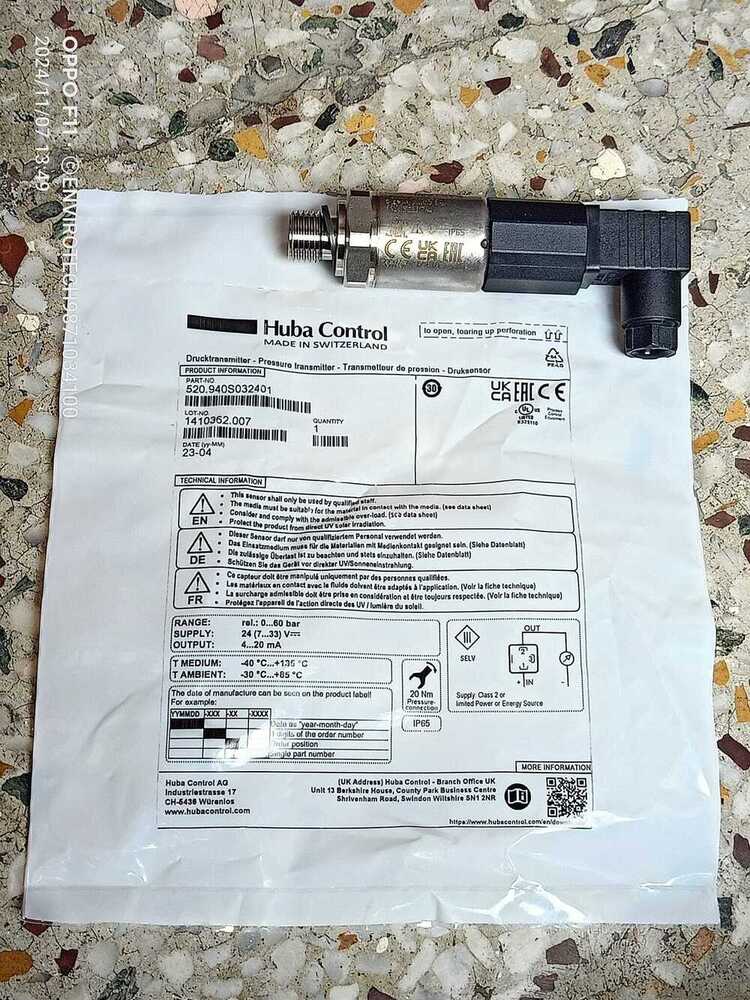
About Huba Pressure Transmitter Model 520.955S032401 RANGE 0-600 BAR

Huba Pressure Transmitter Model 520.955S032401 RANGE 0-600 BAR
The Compact Type 520 Pressure Transmitter Is Based Upon The Huba Control Developed Thick Film Technology Where The Pressure Measuring Cell Is Fully Welded.
This Transmitter Meets The High Burst Protection Demands And Is Suitable For The Use In All Types Of Refrigerants Including Ammonia.
Pressure Range
- -1 ... 9 bar / 0 ... 2.5 1000 bar
- Compact,Rugged Construction
- Welded Without Sealing parts,No Elastomer Seals
- Large Selection Of Connections Available.
- Saving Time By Quick Cable Mounting By The Customer With Swift Connector
General Features:
- Compact, Rugged Construction
- Large Selection Of Connections Available
- Welded Without Sealing Parts, No Elastomer Seals
- Medium: Liquids, Gases And Refrigerants (Including Ammonia)
- Saving Time By Quick Cable Mounting By The Customer With Swift Connector
| SERIES |
Type 520 |
| PRESSURE RANGE |
0 ... 600 BAR |
| POWER SUPPLY |
7 - 33 VDC |
| OUTPUT DC |
4 - 20 mA |
| ELECTRICAL CONNECTION |
M12x1 |
| DESCRIPTION |
Pressure Transmitter |
| PRESSURE CONNECTION |
G 1/4 |
| INDEX PROTECTION IP |
IP67 |
| ACCURACY |
0.3 % fs |
| MEDIUM TEMPERATURE RANGE |
-15 ... +125 C |
| RESPONSE TIME |
< 2 ms, (1 ms typical) |
| MATERIAL |
Connection Stainless Steel 1.4404 / AISI 316L |
| DIMENSIONS (MM) |
24 x 46.7 MM |
| CONFORMITY |
EN 61326-2-3 / IEC 68-2-27 / IEC 68-2-29 / IEC 68-2-6 / UL E325110
|
Additional Information:

Engineered for Industrial DemandsThe Huba Pressure Transmitter Model 520.955S032401 offers robust performance in challenging environments. With its 0.3% Full Scale accuracy and stainless steel body, it is built for heavy-duty operations in sectors like power, cement, fertilizers, and steel. Its analog display ensures reliable, real-time readings for process monitoring.
Versatile Mounting and CompatibilityThis transmitter is designed with a 1/4" NPT 316L stainless steel thread, enabling easy surface mounting in diverse setups. Its lightweight profile and adaptable connection facilitate seamless integration into both existing and new systems across a variety of industrial processes.
FAQ's of Huba Pressure Transmitter Model 520.955S032401 RANGE 0-600 BAR:
Q: How does the Huba Pressure Transmitter Model 520.955S032401 measure pressure in industrial settings?
A: The Model 520.955S032401 accurately measures gas pressure up to 600 BAR using a stainless steel sensor and a steel pointer. Its analog display allows for clear monitoring, ensuring prompt response and system safety in power, cement, steel, fertilizer, and textile plants.
Q: What are the main benefits of using this pressure transmitter in my facility?
A: The transmitter offers exceptional accuracy ( 0.3% full scale), durability with stainless steel construction, and easy surface mounting. These features provide reliable, long-term monitoring in demanding industrial environments, helping to maintain process efficiency and safety.
Q: When should I choose this model for my applications?
A: Select this model when you need precise gas pressure measurement up to 600 BAR in heavy-duty industrial settings such as power plants, cement, steel, fertilizer, and textiles, where robust build quality and high reliability are essential.
Q: Where can I install the Huba Pressure Transmitter Model 520.955S032401?
A: The transmitter is suitable for installation on surfaces with a 1/4" NPT 316L stainless steel threaded connection. Its compact size and mounting flexibility make it ideal for integration into diverse machinery and process lines within various industrial plants.
Q: What is the installation process for this pressure transmitter?
A: Installation involves securely mounting the transmitter on the desired surface using the threaded 1/4" NPT connection, ensuring all connections are leak-proof, and integrating the device into your monitoring system for immediate operation.
Q: How does the analog display enhance operation monitoring?
A: The analog display provides real-time, straightforward readings of the current pressure, allowing operators to quickly assess system conditions and respond to fluctuations, reducing downtime and improving safety.