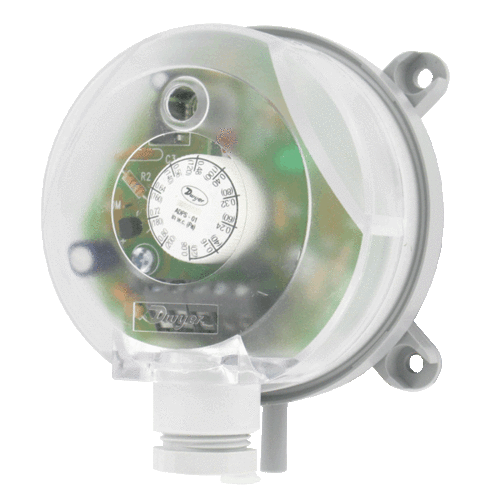
About Dwyer ADPS-04-2-N Adjustable Differential Pressure Switch
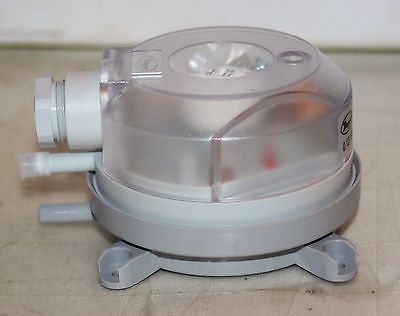
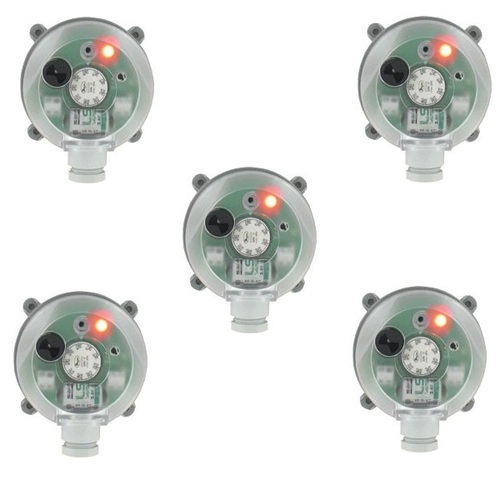
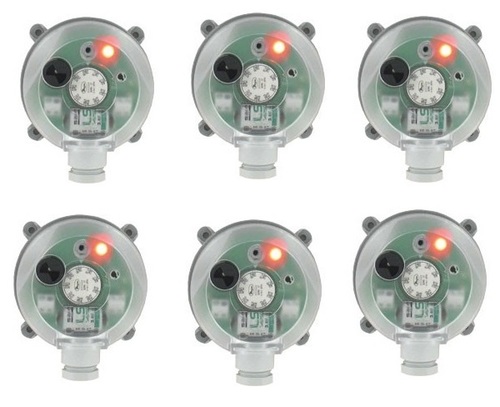
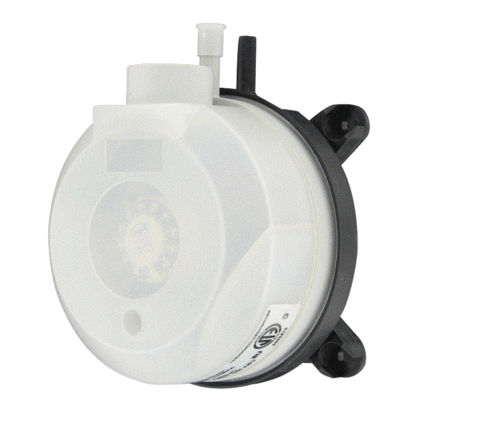
Dwyer ADPS-04-2-N Adjustable Differential Pressure Switch
Adjustable differential pressure switch, set point range 0.12 to 1.60" w.c., M20 connection.Dwyer ADPS Series Offers
Features
- Available with settings from 0.08" w.c. (20 Pa) up to 16" w.c. (4000 Pa)
- The silicone diaphragm and PA 6.6 body make the series ADPS ideal for use with air and other noncombustible gases
- The compact size, adjustment knob and low cost make the ADPS the perfect choice for HVAC applications
Specifications
- Service: Air and non-combustible, compatible gases
- Temperature Limits: Process and ambient temperature from -4 to 185°F (-20 to 85°C)
- Pressure Limits: Max. Operating Pressure: 40" w.c. (10 kPa) for all pressure ranges
- Switch Type: Single-pole double-throw (SPDT)
- Electrical Rating: Max., 1.5A/250 VAC, max. switching rate: 6 cycles/min.; Gold Contact Option: 0.4 A/ 250 VAC
- Electrical Connections: Push-on screw terminals. M20x1.5 with cable strain relief or optional 1/2" NPT connection
- Process Connections: 5/16" (7.94 mm) outside diameter tubing, 1/4" (6.0 mm) inside diameter tubing
- Enclosure Rating: NEMA 13, IP54
- Mounting Orientation: Vertically, with pressure connections pointing downwards
- Mechanical Working Life: Over 106 switching operations
- Weight: 5.6 oz (160 g)
Applications
- Monitoring air filters and ventilators
- Monitoring industrial cooling-air circuits
- Overheating protection for fan heaters
- Monitoring flows in ventilation ducts
- Controlling air and fire-protection dampers
- Frost protection for heat exchanges
Versatile Pressure MonitoringEngineered for accuracy and flexibility, the Dwyer ADPS-04-2-N is ideal for monitoring differential pressure in HVAC, filter monitoring, and airflow systems. Its wide medium temperature range, compact size, and adaptability make it suitable for varied industrial environments. The polycarbonate construction ensures robust performance even in demanding conditions.
Simple Screw AdjustmentSetting the switch point is effortless with the screw-adjustable mechanism. This feature allows precise calibration within the 0.4-2.0 mbar range, enabling tailored control for specific industrial needs. The included instruction manual and mounting accessories make the installation and adjustment process quick and user-friendly.
FAQ's of Dwyer ADPS-04-2-N Adjustable Differential Pressure Switch:
Q: How do I install the Dwyer ADPS-04-2-N differential pressure switch?
A: Install the switch by mounting it on a panel or surface using the supplied mounting screws. Connect the process lines using the 3/16" OD tube connectors and make electrical connections as per the included instruction manual, ensuring compliance with the 1.5A @ 250VAC electrical rating.
Q: What applications can the ADPS-04-2-N be used for?
A: This switch is primarily used to measure the differential pressure of air and non-combustible gases in HVAC, filtration systems, and industrial process monitoring where precise low-pressure measurement is required.
Q: When is adjustment of the set point recommended?
A: Adjustment should be done during initial installation or change in operating conditions. Use the screw mechanism to set the desired trip point within the 0.4-2.0 mbar scale, ensuring optimal system performance and safety.
Q: Where can this differential pressure switch be installed?
A: The ADPS-04-2-N is suitable for installation in indoor industrial environments across India. It can be panel mounted or surface mounted in locations where IP54 protection class is adequate for the application.
Q: What is the process for adjusting the switch point?
A: To adjust, access the control screw and turn it until the desired set point within the 0.4-2.0 mbar range is achieved. Ensure calibration accuracy by referencing the scale and following the provided instructions in the manual for optimal results.
Q: How does using this pressure switch benefit industrial operations?
A: It provides reliable monitoring and control of low differential pressures, enhancing system efficiency and safety. The robust build and ease of installation save time, while the high repeatability ensures consistent performance over time.
Q: What maintenance is required for the ADPS-04-2-N?
A: Routine maintenance involves checking for secure connections, inspecting for leaks or debris in process lines, and verifying that the set point remains within specification for ongoing accuracy.