About Gas to Air Coil
Gas to Air Coil
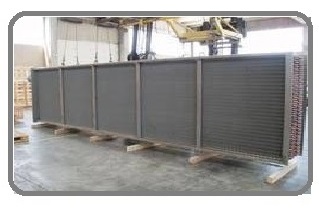
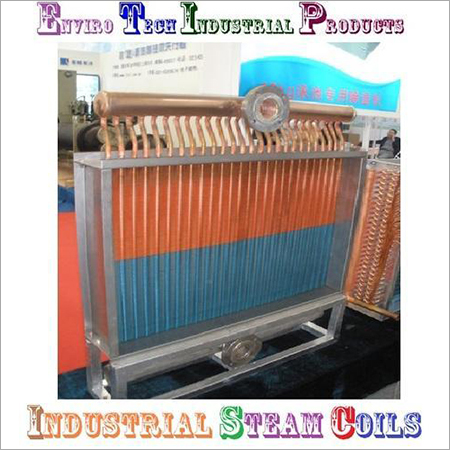
These Gas to Air Coil offered by us are heavy in weight and takes less preservation cost. These cooling units consume less energy and necessitate very less space to place the products. These products are traded to our consumers at wide range. These Cooling Units are used in various applications like generator rooms, gas turbine intakes, industrial cooling of hot spots and hot zones.
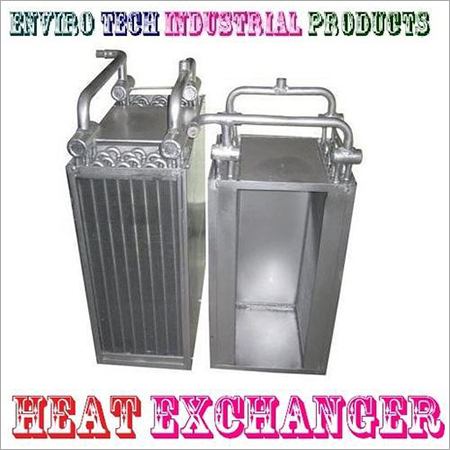
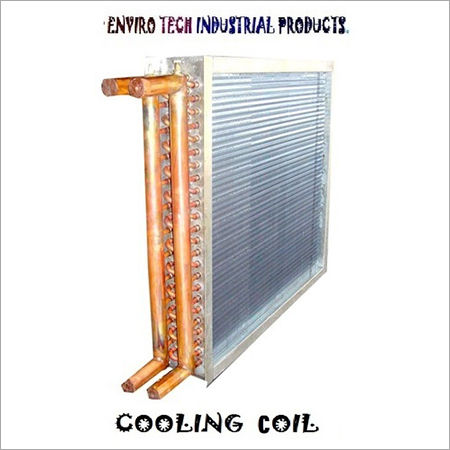
Engineered for optimal thermal performance, the Gas to Air Coil utilizes a serpentine or sectional design with customizable rows and fin spacing to suit specific industrial needs. Its construction maximizes heat exchange between gas and air, making it ideal for processes requiring reliable hot air output.
Durable and Corrosion ResistantWith options for galvanized steel, copper tubes, and anti-corrosive coatings, the coil delivers longevity in demanding environments. High corrosion resistance ensures sustained operation, even at high temperatures and humidity levels, providing reliable service life and minimal degradation.
Flexible Installation and MaintenanceThe coil adapts to various installation scenarios, allowing horizontal or vertical mounting and custom connectivity such as flanged or threaded connections. Periodic inspection and cleaning are recommended to preserve efficiency, and mounting support is provided according to site requirements.
FAQs of Gas to Air Coil:
Q: How is the gas to air coil installed in industrial setups?
A: The coil is supplied with mounting supports tailored to the installation site, enabling horizontal or vertical mounting. It can be connected using flanged or threaded connections to suit different industrial layouts. Installation should follow the manufacturers guidelines for optimal performance and safety.
Q: What materials are used in the construction of the coil, and how do they benefit performance?
A: The coil is constructed with galvanized steel, copper tubes, and aluminum fins. These materials offer high corrosion resistance, durability, and efficient heat transfer, ensuring long service life (810 years) and sustained output under challenging industrial conditions.
Q: When should maintenance be performed on the coil?
A: Periodic inspection and cleaning are recommended to maintain efficiency and extend service life. The frequency of maintenance depends on operational conditions, dust levels in input gas, and process demands. Regular upkeep helps ensure the coil maintains up to 85% thermal efficiency.
Q: Where can the gas to air coil be used?
A: This coil is suitable for industrial heat recovery, ventilation, drying systems, furnaces, and similar applications where hot air circulation or efficient heat transfer is needed. The design can be customized for specific workflow and installation requirements.
Q: What is the process for customizing coil specifications?
A: Specifications such as fin spacing, number of rows, tube diameter, material choice, capacity, and mounting options can be tailored during the design phase. Customers should provide application details and required technical parameters to the supplier for optimal customization.
Q: How does the coil manage noise and dust control?
A: Operating below 60 dB, the coil maintains low noise levels. Dust presence is minimized (below 0.02%) with clean gas input, and optional filtration can be added if required to suit specific process needs.
Q: What are the key benefits of choosing this gas to air coil?
A: Users benefit from high heat transfer efficiency, robust corrosion resistance, versatile installation, long service life, passive energy consumption, and easy maintenance. The coils design and material choice ensure reliability and adaptability in various industrial environments.






 Send Inquiry


 Send Inquiry


