About Foam Filters
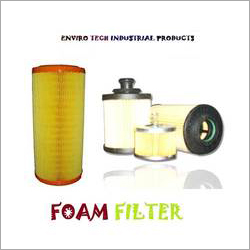
Foam FiltersWe supply a variety of foam filters. Made with expertise and precision, these filters look after purification of all kinds of liquid metals. The capacity to work in a running system, makes it eligible to clean all kinds of metal and eliminate chances of rejection due to contaminants. Uncanny ability to customize on our part, makes it possible to offer silicon carbide foam filters. Silicon is induced into organic foam immersed in resin containing cross-linking agent.
Foam filters can thus be utilized in:
- Running system cleaning
- Purifying all kinds of liquid metals
- Clearing grey iron, SG iron and non-ferrous metals
- Basically in all kinds of metallurgical processes
Other Information
- Pay Mode Terms: T/T (Bank Transfer)
Technical specification
| Type: | Refractory Material |
| Shape: | Square, Rectangle, etc |
| Material: | Alumina, Sic, Zirconia |
| Size: | 50 x 50 x 12mm,149. |
Select from a variety of colors and shapes, along with personalized dimensions and porosity. Our foam filters are tailored to fit unique installations, from round or rectangular outlets to specialized industrial interfaces. Their versatile construction and choice of edge designs make them adaptable to HVAC, aquariums, automotive setups, and beyond.
Durable Performance for Demanding EnvironmentsConstructed using polyurethane foam, these filters are engineered for longevity even in challenging conditions. With a typical usage life spanning 612 months, their robust open-cell structure and optional surface treatments resist microbial growth and static, delivering reliable performance with minimal maintenance.
Certified Quality and Ease of UseFully compliant with RoHS & REACH regulations, our foam filters are safe for various sectors. Their lightweight build, flexible mounting options, and washable nature simplify installation and cleaning. OEM services are available, ensuring solutions for manufacturers, suppliers, and traders alike.
FAQs of Foam Filters:
Q: How do I select the appropriate foam filter porosity for my application?
A: Porosity, measured in pores per inch (ppi), determines the filters effectiveness for different particle sizes. Applications such as air purifiers or HVAC systems usually require higher ppi (3060) for finer filtration, while industrial dust collection might use lower ppi (1030) for larger particles. Selection should be based on your filtration needs and desired efficiency.
Q: What is the recommended process for cleaning and maintaining foam filters?
A: Foam filters are washable and reusable. To clean, gently rinse them with lukewarm water and mild detergent. Avoid harsh chemicals that could degrade the foam. Ensure the filter is completely dry before reinstalling to prevent mold growth and maintain optimal performance.
Q: When is it necessary to replace a foam filter, and what affects its usage life?
A: Most foam filters last 612 months, depending on application, frequency of cleaning, and environmental conditions. Replace the filter if you notice reduced airflow, persistent odors, or visible deterioration. Filters in heavily polluted or high-demand settings may require more frequent replacement.
Q: Where can these foam filters be installed, and what mounting options are available?
A: Foam filters are suitable for HVAC systems, aquariums, automotive air intakes, purifier units, and industrial dust collectors. They support various installation types, including insert, press-fit, and frame mounting, as well as options for plain, rounded, cased, or framed edges.
Q: What benefits do surface treatments provide for foam filters?
A: Surface treatments such as anti-microbial and anti-static coatings help inhibit bacterial growth and static charge accumulation. This enhances filter hygiene and performance in sensitive environments, such as medical or clean room applications.
Q: How does foam filter efficiency impact system performance?
A: With efficiency ranging from 80-99% depending on the foam grade and particle size, these filters significantly improve air quality and equipment longevity by capturing contaminants effectively. Optimized flow rates and low pressure drop ensure systems operate smoothly.






 Send Inquiry


 Send Inquiry


