About Dwyer MTL7787 Zener Barrier
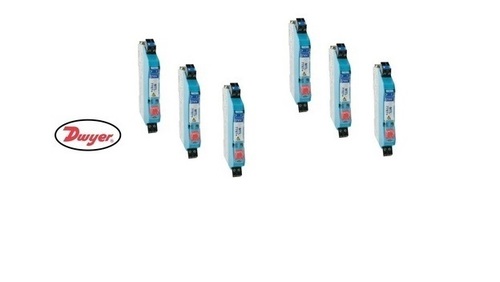
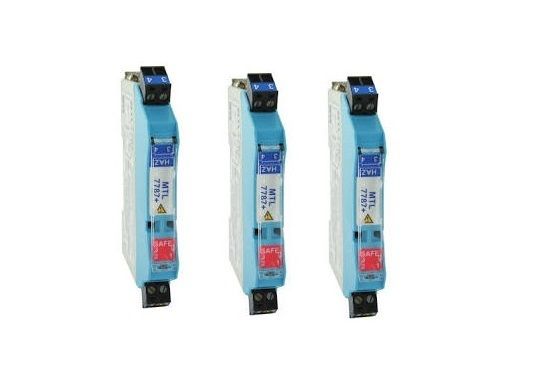
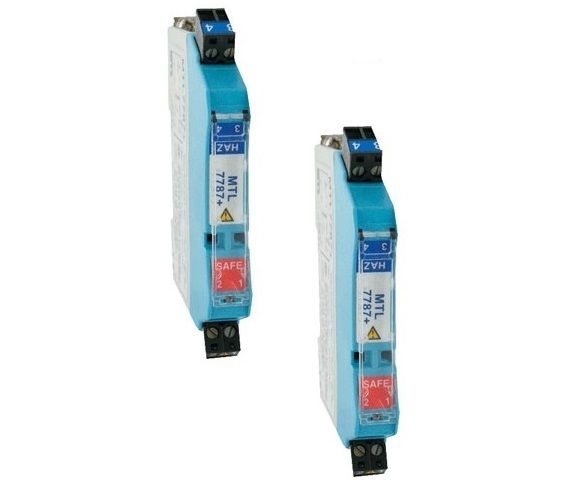
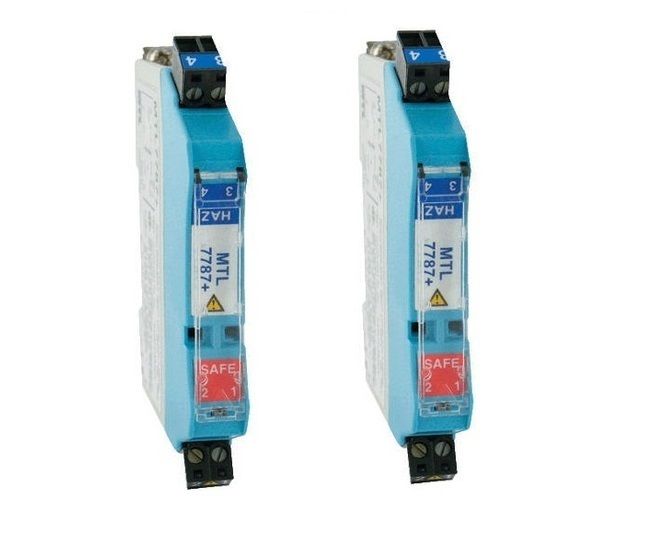
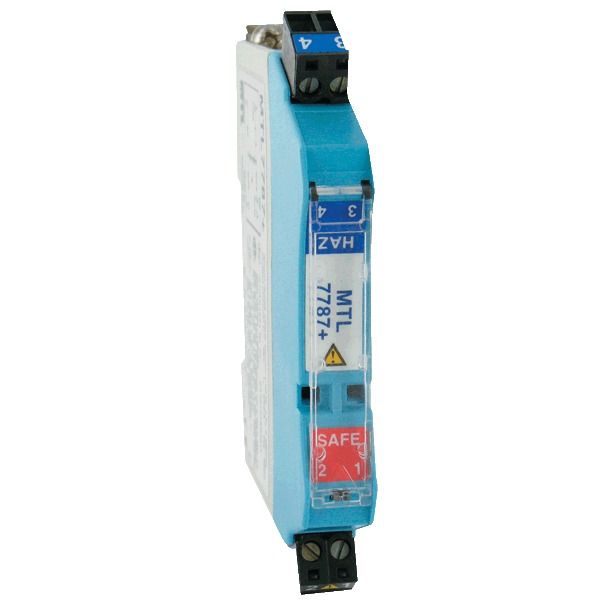
Dwyer MTL7787 Zener Barrier
OVERVIEW
Features
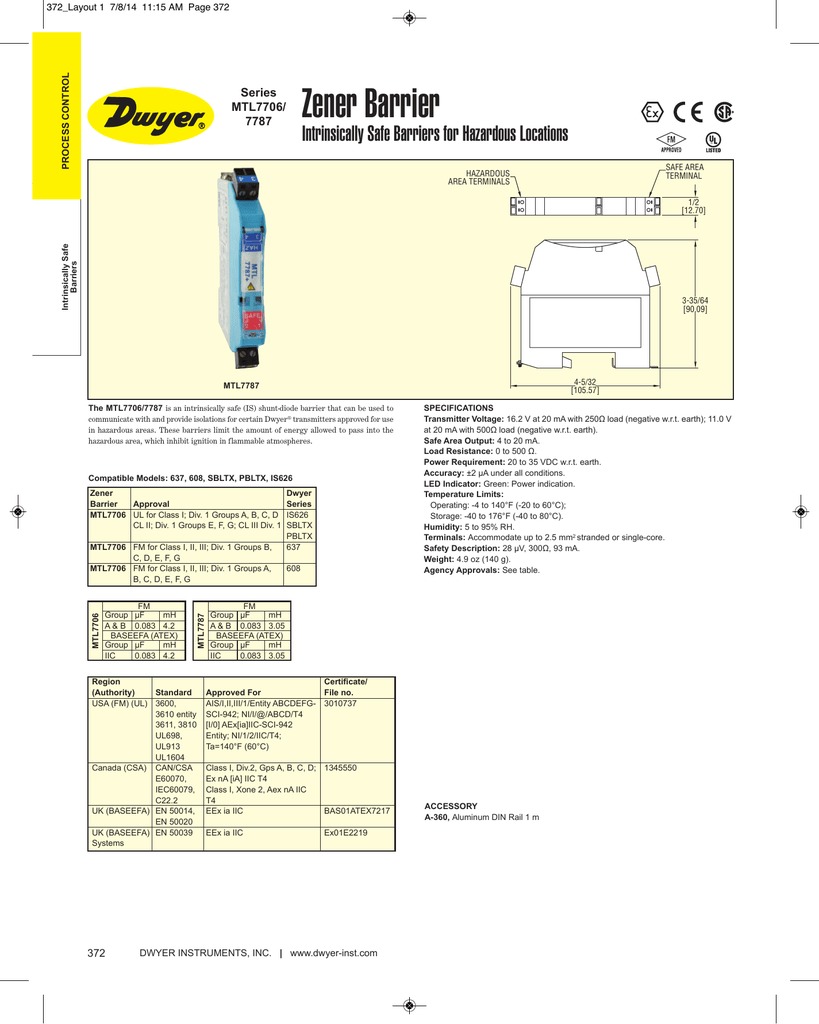
- Transmitter Voltage: 16.2 V @ 20 mA with 250 load (negative w.r.t. earth); 11.0 V @ 20 mA with 500 load (negative w.r.t. earth)
- Safe Area Output: 4 to 20 mA
- Load Resistance: 0 to 500.
- Accuracy: 2 A under all conditions
- LED Indicator
- Safety Description: 28 V, 300, 93 mA
- Weight: 4.9 oz (140 g).
- Agency Approvals: See table on Catalog page.
DESCRIPTION
The Dwyer MTL7706/7787 is an intrinsically safe (IS) shunt-diode barrier that can be used to communicate with and provide isolations for certain Dwyer Transmitters Approved for use in hazardous areas. These Barriers Limit the amount of energy allowed to pass into the hazardous area, which inhibit ignition in flammable atmospheres.
Product Applications
- Electrically Isolates Pressure and Level Transmitters From Unregulated Circuits For Intrinsically Safe Applications
| Model |
Description |
| MTL7706 |
Intrinsically Safe Zener Barrier. |
| MTL7787 |
Intrinsically Safe Zener Barrier.
|
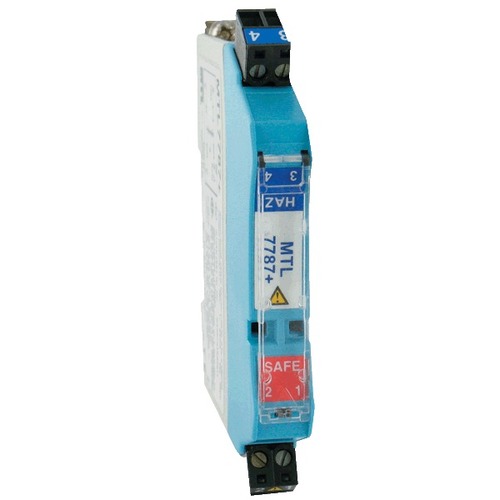
Reliable Intrinsic Safety with Dual Channel DesignThe MTL7787+ Zener Barrier offers superior protection for both signal and power loops used in hazardous areas, thanks to its dual-channel, polarized configuration. This allows for safe operation of plant instrumentation, minimizing risk and downtime, especially in industrial settings subject to explosions or safety regulations.
Compact and Durable Construction for Industrial UseBuilt with a rugged aluminum enclosure and protected by an epoxy-coated finish, the MTL7787+ is designed for long service life. Its slim form factor and compatibility with 35 mm DIN rails make installation straightforward, even in control panels where space is limited.
FAQs of Dwyer MTL7787 Zener Barrier:
Q: How does the MTL7787+ Zener Barrier provide intrinsic safety in hazardous environments?
A: The MTL7787+ Zener Barrier limits the voltage and current delivered to circuits in hazardous areas, preventing sparks and excessive energy that could ignite flammable atmospheres. Its dual-channel design allows both signal and power to be safely transferred while adhering to intrinsic safety standards.
Q: What are the typical usage scenarios for this zener barrier?
A: This zener barrier is typically used to protect electrical signals and power lines in areas classified as hazardous, such as chemical plants, oil refineries, or gas processing facilities. It enables safe connection of field instruments with control systems, ensuring compliance with explosion-proof requirements.
Q: Where should the MTL7787+ be installed for optimal performance?
A: For best performance, the MTL7787+ should be mounted on a 35 mm DIN rail within a control panel located at the boundary of the safe and hazardous area. Ensure proper earthing and follow the instructions provided in the included manual for safe and effective installation.
Q: What is the process for mounting and connecting this zener barrier?
A: Mounting is accomplished by snapping the device onto a standard 35 mm DIN rail. Electrical connections are made to the clearly marked terminals. Mounting hardware and an instruction manual are provided, and it is important to connect the earth terminal to a reliable ground to maintain intrinsic safety.
Q: When should a zener barrier like the MTL7787+ be selected over other types of barriers?
A: Select a zener barrier when intrinsically safe circuits are required in hazardous zones and a simple, cost-effective protective solution is preferred. It is ideal for applications where low current and voltage limits comply with site requirements and the process environment demands explosion-proof safeguards.
Q: What are the main benefits of using the Dwyer MTL7787+ Zener Barrier?
A: Key benefits include enhanced personnel safety and equipment protection in hazardous areas, reliable dual-channel operation, easy DIN rail mounting, compact design, robust build quality, and compliance with industry safety standards. These features help facilitate safer process automation and control.






 Send Inquiry


 Send Inquiry


